
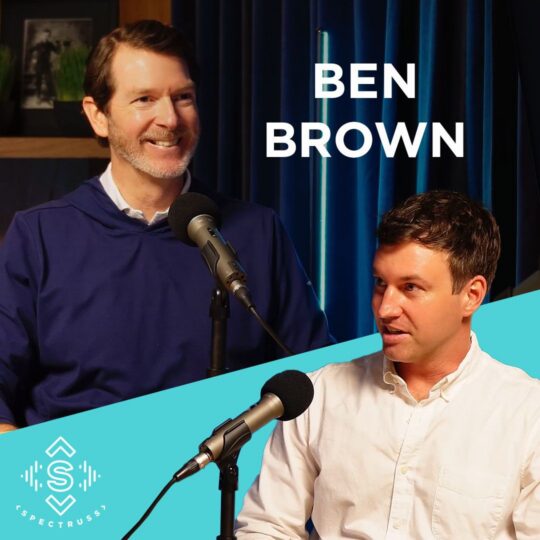
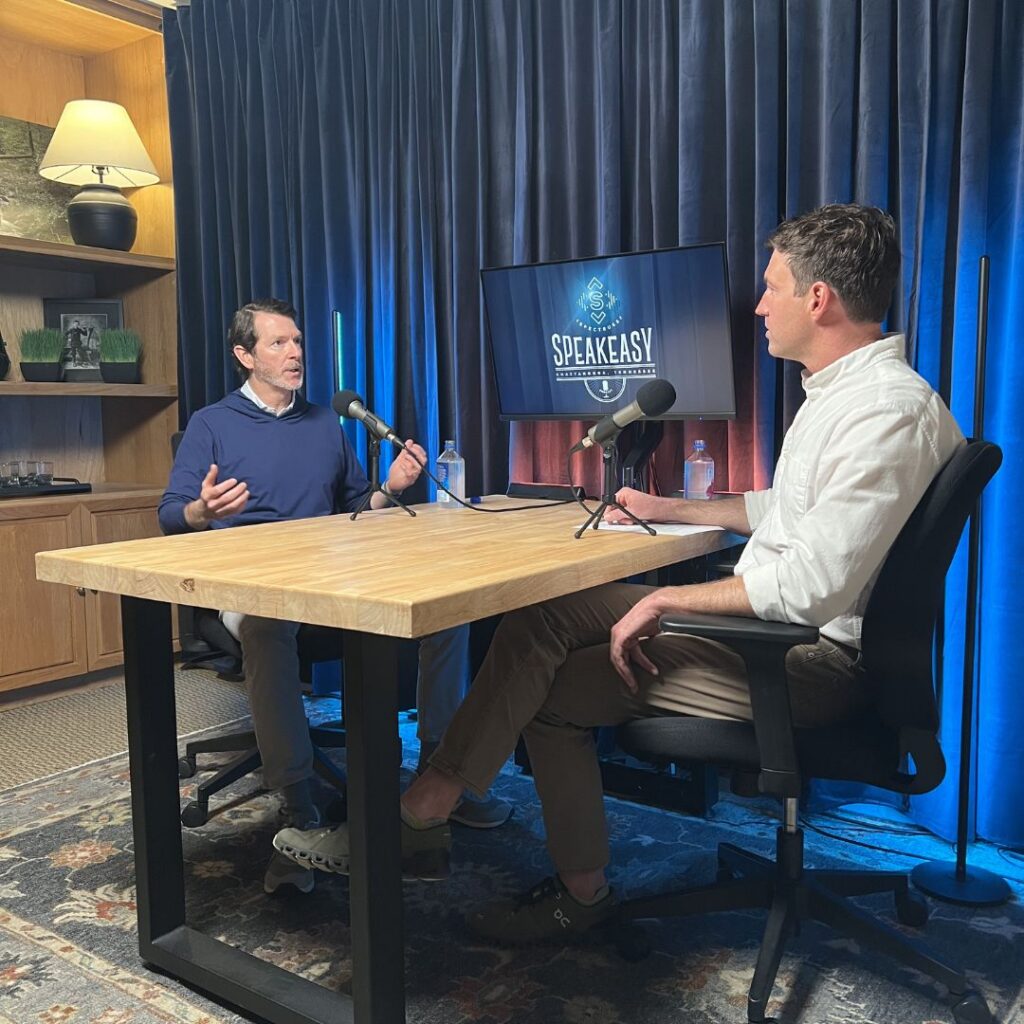
The latest episode of the Spectruss Speakeasy podcast featured Ben Brown, founder and managing partner of Alderman Enterprises, and the conversation covered more than just private equity. It started casually, motorcycles to Daytona, a Google AI event in Atlanta, but quickly moved into deeper territory: succession, identity, and what really happens when business owners step away from the companies they built.
For owners of local service-based businesses doing $5M–$50M in revenue, this topic is not theoretical. It is personal.
The “Silver Tsunami” Is Closer Than You Think
For more than a decade, people have talked about the baby boomer retirement wave. The assumption was that millions of owners would sell their companies all at once. According to the discussion, that wave hasn’t fully hit because many founders simply don’t want to stop working. Their identity is tied to being the owner, the CEO, the decision-maker.
Now, many of those owners are in their 70s. Reality is catching up.
One story shared on the podcast stood out. After nearly a year of negotiation, an owner sold his company. Two weeks later, he asked to buy it back. The issue wasn’t valuation. It wasn’t regret over price. It was identity. Without the title, without the daily responsibility, he felt lost.
That’s the part few people talk about when discussing succession planning for business owners. Selling a $10M or $20M company is not just a financial event. It’s emotional. If you are the business, who are you without it?
A Different Approach to Private Equity
Alderman Enterprises operates differently from traditional private equity firms. Instead of buying companies, scaling aggressively, and flipping them in five years, their model focuses on long-term ownership. The intention is to hold businesses without a preset exit clock.
They target regional, niche, B2B companies generating $1M–$5M in EBITDA — often translating to $5M–$30M in revenue. These are not flashy startups. They are essential businesses: rail communication systems, boiler services, specialty industrial textiles, additive manufacturing, technical packaging.
In other words, stable companies that solve real problems.
For owners considering a business sale, this distinction matters. Many founders worry about selling to a group that will cut jobs, reduce benefits, and sell again quickly. The episode made clear that long-term holding groups focus on durability and steady expansion rather than short-term financial plays.
What Happens After a Company Is Sold
When a company changes ownership, employees often assume the worst: layoffs, pay cuts, cultural shifts. According to the episode, showing up immediately and addressing those fears makes a difference. Benefits like 401(k) matching and vacation time are often the first concerns raised.
This highlights an important truth for owners: your team is watching how you handle a sale. Planning ahead is not just about maximizing price. It is about protecting culture and stability.
For companies in “harvest mode”, profitable but not pushed to full capacity, the right partner can restore growth. That may involve operational support, leadership depth, and add-on acquisitions that create scale. Acquiring competitors in the same industry is often less risky and can create synergy without changing the core business model.
AI and the Future of Service Businesses
The discussion also addressed AI in business. Ben described himself as cautious but realistic, recognizing the long-term impact while questioning the hype cycle.
Right now, AI functions mainly as an efficiency tool. It compresses industry research that once took weeks into minutes. It reviews contracts. It drafts marketing copy. That reduces costs in many white-collar roles because it provides most of an answer quickly and cheaply.
However, the industrial businesses in their portfolio, boiler service, manufacturing, rail equipment, still require hands-on skill and physical presence. Those roles are less exposed in the near term.
If you run a service-based company, especially in professional services or marketing, you need to ask: what makes your expertise worth paying for when information is widely available?
Succession Is a Strategic Decision
The clearest message from the episode was simple: plan early.
If you remain the primary rainmaker, operator, and decision-maker, your company’s value depends heavily on you. If your identity is completely wrapped up in ownership, stepping away will be difficult.
Preparing for life after a sale means building leadership beneath you, clarifying what you want next, and structuring the business so it performs well without your daily involvement.
That discipline strengthens your company now, not just at exit.
If you’re running a $5M–$50M business and your marketing leadership, brand positioning, or growth strategy feels reactive instead of intentional, this is where Spectruss steps in. We act as a true fractional CMO partner — not just another outside provider — helping you build durable brand equity, sharper positioning, and scalable revenue systems long before you consider selling.
If you want to grow with structure and protect long-term value, let’s start the conversation. Get your appointment.


