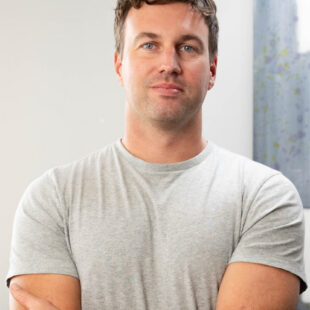
Brad DeVaney, Director of Product Development at Litespeed, Quintana Roo and OBED, designs bikes around the person who rides them. On Episode 28 of Spectruss Speakeasy, he and host Sam Silvey get into what that looks like: a meeting where Lance Armstrong said he just wanted to ride titanium, and a Kona customer who needed a different bike the day before the race.
Sam and Brad first worked together more than 20 years ago, when Litespeed was a frame company and Sam spent a summer building bikes. This article covers the main ideas from their conversation. The full episode runs about an hour and a half.
Who is Brad DeVaney?
Brad leads product development for three bike brands: Litespeed, Quintana Roo and OBED. He started racing at five, learned to build wheels as a kid, and has spent decades around frames, factories and riders. He has been to Kona for the Ironman World Championship 20 times.
Brad says he stays close to the work. Many of his peers, he says, work in an office and do not really get that feedback.
“I see my peers in the industry and they don’t get to smell the cutting fluids.”
Brad wants his engineers out of their chairs, too. He encourages them not to spend too much time at their desks, and to keep rotating through factories and shops.
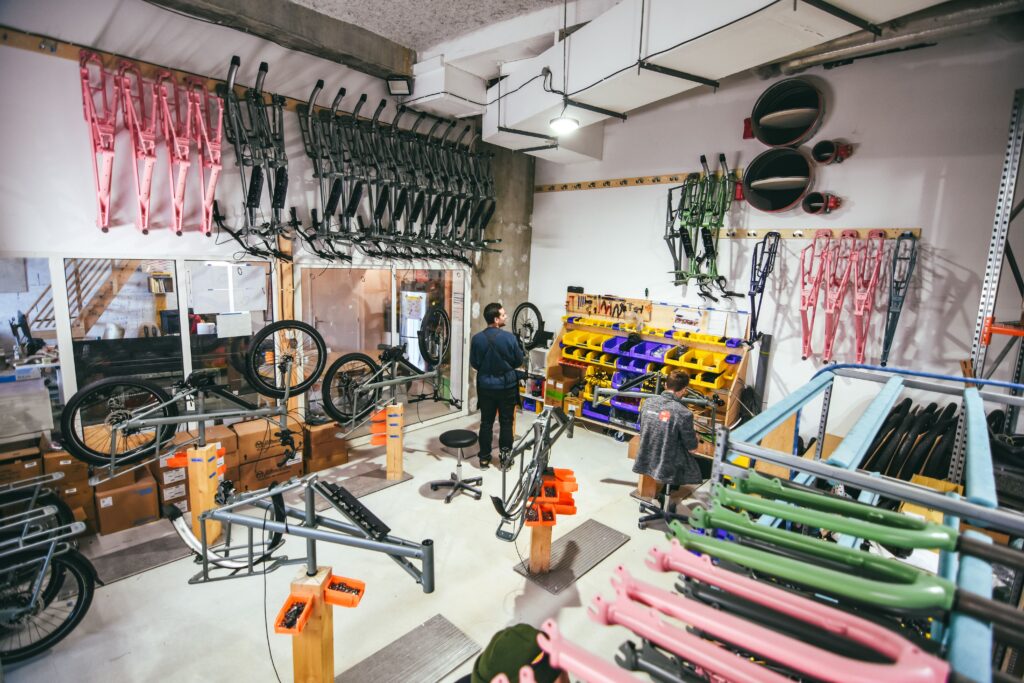
Why does titanium ride the way it does?
Sam described how titanium feels to him. It is forgiving but snappy, he said, where steel is soft and can feel sluggish when you sprint, and aluminum is very stiff and can beat you up.
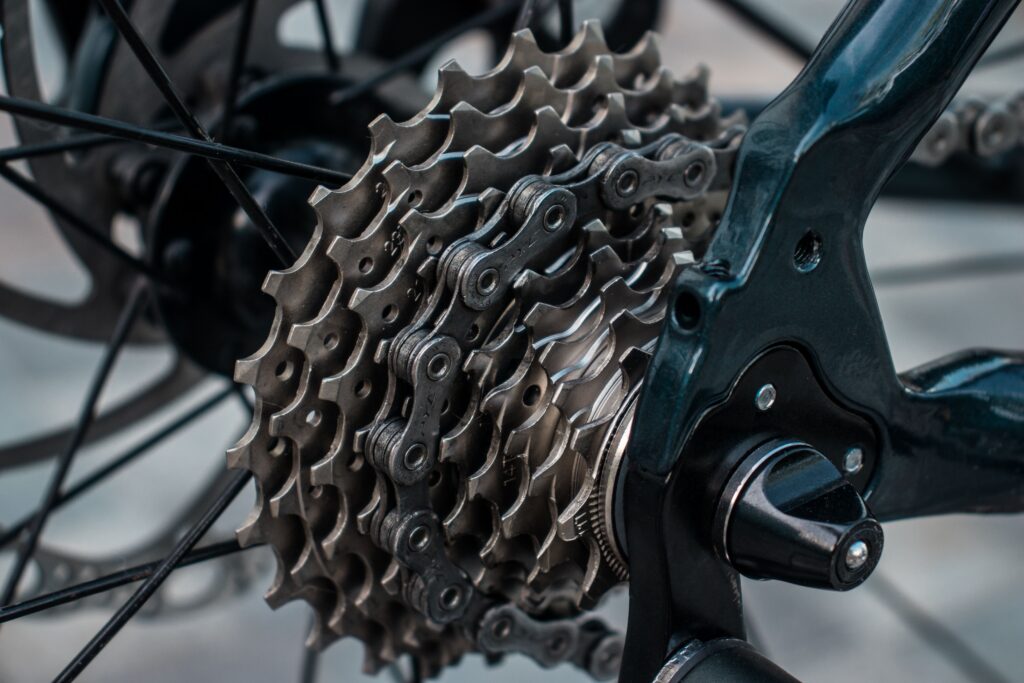
Brad answered with design. He says Litespeed was the most focused of the brands, and did not just take hydraulic tubing from a Boeing and build a bike out of it. The team played with diameters, wall thicknesses and shapes instead of making cookie-cutter designs. He says one thing mattered more than anything.
“More than anything, it was characteristic. It was the tune of the bike.”
Titanium had a bad reputation, he says, and the right tune changes with the rider. A track cyclist who treats a bike like exercise equipment needs something different from an elite climber.
What happened when Lance Armstrong asked for titanium?
Brad was in a meeting in Atlanta with people from a pro team, and the room was walking on eggshells about the rivalry between Litespeed and Merlin. The clothing sponsor, Giorgio Andretta, had just licensed Disney for cycling clothing. Brad knew the numbers.
Then Lance Armstrong spoke up. He said he did not care if Mickey Mouse built the bike. He just wanted to ride titanium. Andretta jumped up, excited, since he had just paid for the Disney licensing rights. The conversation went off course. Brad says they laughed about it for a long time.
The meeting led to real work. Brad built proving-ground frames for Lance and Steve Bauer, and a sheet of requests followed from dozens of riders. At one point he had frames under at least four teams, none with a Litespeed name on them.
How does a kid who raced at five end up designing bikes?
Brad’s older brother got him into racing, and they got cool bikes for Christmas through Tom Owen, who brought in the first cool BMX bikes. He raced on tracks he had never seen, and the people around him taught him a method he still uses.
Break the track into pieces. Get the first straightaway and the first turn right. Make that first step the one you master, then do the same with every segment.
He says that is how he works today.
Racing taught him another lesson early. To be a true professional, he says, you meter everything and save your best for certain days.
“Everything is preparation whether you’re racing or whatever the case is, you’ve got to have foresight.”
Wheels were his other classroom. When he flat-spotted a rim, he swapped in a new one, a job he calls a rim-ectomy. Doing that over and over taught him to build a wheel, and he did it in front of a crowd of dads more than once.
What did Brad do when a customer’s bike felt wrong the day before race day in Kona?
The week of the Ironman World Championship is the hardest work week of Brad’s year. He spends part of it on the industry equipment count, tallying bikes, gears, tires and wheels as athletes walk past.
Early one morning, the company’s VP of sales, Chris Brown, called with an emergency. A customer on their fifth Kona was riding a new, state-of-the-art bike that did not feel natural. They were tense on descents and braking. Brad asked what the goal was for the next day. The answer was a victory lap, and the customer wanted to enjoy it. So Brad set them up on a bike they already knew.
Why does Brad get to know the people who make his frames?
Brad says he does not sit in a room and strategize. He wants to know the factory, the owner and the family, and he wants to have meals with them. He goes in with sympathy for their quality challenges and tries to help fix them, so the factory gets better for its other customers too.
For Quintana Roo and OBED, frames arrive unpainted and raw, which makes them easy to check, with nothing hidden under paint. The company paints and assembles them in Tennessee, and customers choose every detail of the bike. OBED sells direct to consumers and supports dealers who service its customers.
Quintana Roo has its own origin. Dan Empfield started a wetsuit brand, sold wetsuits out of the back of a van, and then began making triathlon bikes. Brad says he still asks himself what Dan would do.
What does Sam mean by keeping some soul in the work?
Late in the conversation, Sam said what he has always liked about Brad: he has lived every part of it, from racing and training to engineering, and people can tell in the product. Sam said he has gone wrong in business when he tried to scale something and lost the soul along the way.
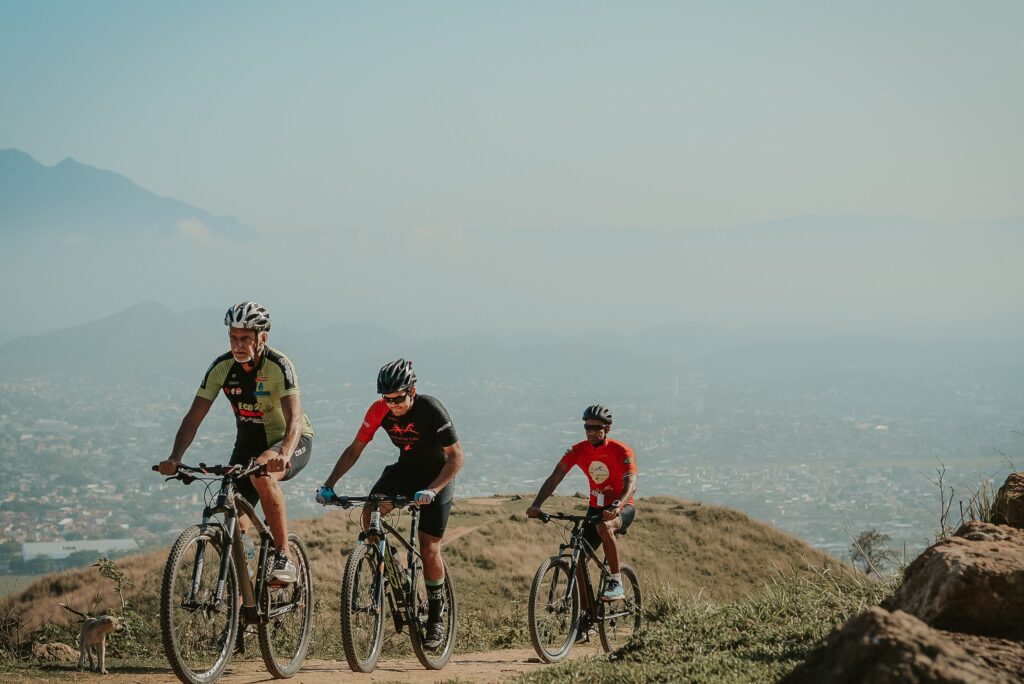
Brad’s answer to the rapid-fire question of titanium or carbon, one bike ever, was short. It’s a tie. His favorite kind of rider to build for is not a super elite. It is someone on a journey who genuinely wants to be out there.
Frequently asked questions
Who is Brad DeVaney?
Brad DeVaney is Director of Product Development at Litespeed, Quintana Roo and OBED. He started racing at five and has worked in the bike industry for more than 20 years.
What did Brad DeVaney say about titanium bikes?
He says titanium had a bad reputation early on, and that Litespeed worked on tube diameters, wall thicknesses and shapes to tune a bike to each rider.
Where can I listen to Spectruss Speakeasy Episode 28?
The full episode is on Buzzsprout and YouTube, and short clips are on Spectruss social channels.
More from the Speakeasy: hear Kyle Wiens of iFixit on the Right to Repair, or browse every conversation on the Spectruss Speakeasy page. Want a show of your own? Spectruss produces podcasts too. See content creation.
Listen to Episode 28 of Spectruss Speakeasy: Buzzsprout or YouTube