
The Businessman Behind the Bar: What Matt Brock Gets Right About Criminal Defense
Most people assume a successful law firm is built purely on legal talent. Matt Brock would tell you that is only half the equation. When he opened Best & Brock in Chattanooga, he was not walking in as a polished associate from a big firm. He was an entrepreneur who had already run a national e-commerce business, studied internet advertising before most local attorneys knew what Google AdWords was, and failed the bar exam twice before finally passing. That unusual path shaped the kind of lawyer he became, and it is exactly what he unpacked in his recent conversation on the Spectruss Speakeasy.
This episode covers the real mechanics of DUI defense, what it actually means to defend someone’s constitutional rights, and why getting your client the result they want matters far more than being right in a courtroom.
Why Did Matt Brock Consider Himself a Businessman Before a Lawyer?
Before he ever passed the bar, Matt had already built and sold an e-commerce teeth whitening company that hit the number one spot on Google. He was running it out of the back of his stepfather’s construction office in Chattanooga while simultaneously studying for the bar, doing customer service, and pretending to transfer callers to departments that were just him picking up the other phone. It was scrappy, but it worked.
That experience gave him something most new attorneys do not have: he already knew how to market a business online. When he opened his firm in 2013, he understood AdWords, he understood reviews, and he understood that the internet was where clients were going to find him. Local attorneys with decades of experience were confused about how a brand-new lawyer was already competing with them. The answer was simple. He had a head start on digital marketing that most of them never caught up to.
Best & Brock now has over 790 Google reviews, with the closest criminal defense competitor in the area sitting around 170. That gap does not happen by accident.
How Did Matt Brock Get Into Criminal Law?
He will be the first to tell you it was not the plan. Matt had focused on international business law in school, imagining mergers and acquisitions work in cities like Hong Kong. That vision ran into the wall of bad grades at a lesser-known law school and a job market that was not interested. A colleague suggested he visit criminal court and see if it fit. He went in wearing a suit, sat near the judge, and within the first few minutes, people in the gallery were calling out to him from the back of the room because they knew him from the neighborhood.
That moment was an epiphany. He already had a built-in community connection. He understood how to talk to people who were scared, embarrassed, or uncertain about what came next. He leaned in, took every training course he could afford on his early income, and built a practice around the most scientifically complex area of criminal defense: DUI law.
Why Are DUI Cases More Complex Than Most People Realize?
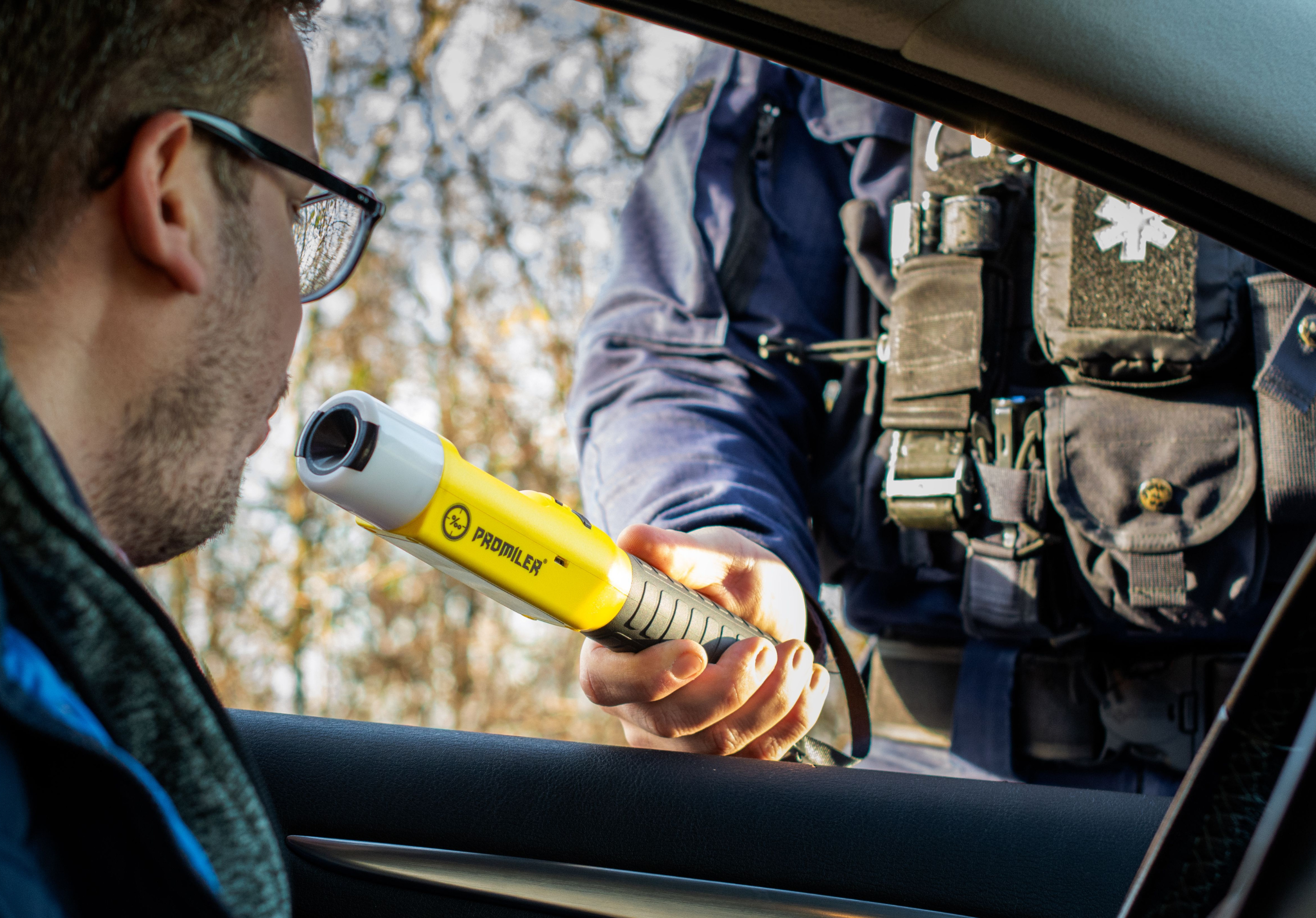
A lot of people, including some defense attorneys, treat a DUI charge as a lesser case. Matt pushes back on that hard. DUI defense involves more moving parts than almost any other criminal matter, starting from the moment a driver is pulled over and running through the traffic stop, field sobriety instructions, blood or breath testing, lab procedures, and chain of custody documentation.
The science alone is a subject he spent years studying. Matt holds certifications in field sobriety testing, advanced roadside impairment assessment, drug recognition enforcement, and the gas chromatography science behind how blood alcohol numbers are generated. He has taken multi-day courses in Chicago just to understand how to read and challenge a lab report. His point is that a number on a sheet of paper is not automatically the truth. The question is how they got to that number, and whether the process at every step was clean.
According to the National Highway Traffic Safety Administration, roughly 1.5 million people are arrested for DUI in the United States each year. Of those, a significant number involve cases where field sobriety tests were administered incorrectly, equipment was improperly calibrated, or lab procedures had documented errors. These are not technicalities in the dismissive sense. They are constitutional protections that exist because the state has to prove its case.
What Should You Do If You Are Pulled Over?

Matt gets this question constantly, and his answer is consistent. Decline everything. No field sobriety tests. No breath test. No blood test. Every one of those is a piece of evidence you are handing the prosecution.
The catch is that most people do not follow through on this. Law enforcement is trained for these moments, and officers know that a moving violation combined with an odor of alcohol is often enough for probable cause to proceed. In Tennessee, where Matt practices, case law states that field sobriety testing can only elevate suspicion, not eliminate it. So even if you perform well, the officer can still move forward. Performing badly just gives them more to work with.
He was careful to add one specific exception: do not lie to law enforcement. The advice is to decline testing, not to fabricate a story. Honesty about having had a drink is not the problem. Providing the state with a roadmap of evidence is.
How Did Running Up a Hill Go Viral and Actually Bring in Clients?
A few years before the episode was recorded, Matt was defending a client on a DUI charge. The officer insisted there was no way the alleged driver could have exited the vehicle and gotten behind a dumpster on a hill in the time between the lights going on and the officer rounding the building. Matt told the officer he would come back to the next court date and do it himself in that same window of time. And he did.
The officer reduced the charges. The story sat unused for years. Then Matt’s in-house marketing team needed content. He found a video of the run, posted it on Instagram without much thought, and walked away. It hit 2 million views. Then it landed on the front page of Reddit. He woke up to around 100 messages from people who had seen it.
One client from Ohio, passing through for a festival, later called him just to confirm he had hired the guy who ran up the hill. That was the whole call. Matt’s takeaway from the moment is less about virality and more about creative problem solving. When a conventional argument is not going to move the needle, you find another way. That principle applies in the courtroom and in marketing.
What Does It Actually Mean to Defend Someone’s Constitutional Rights?

This is the question Matt gets from people who cannot understand how a defense attorney sleeps at night. His answer is direct: his job is not to determine guilt. His job is to make the state prove its case according to the rules it agreed to follow. Every person arrested has rights. Those rights exist regardless of what happened, and they exist specifically because the government has enormous power to prosecute. A defense attorney is the check on that power.
He also made a point that gets overlooked. Lawyers who go into trials trying to prove they are the smartest person in the room often get worse results than lawyers who focus on what the client actually needs. The goal is the outcome, not the argument. Sometimes the best move is a well-prepared offer to a prosecutor that lays out exactly why a trial would be difficult for the state. Matt described creating a PowerPoint presentation for a pending case, not as a threat, but as a professional breakdown of the strengths in his client’s position. That kind of transparency often moves cases further than a combative approach would.
Knowing a lawyer will go to trial changes the dynamic of every negotiation. Prosecutors have no reason to offer a favorable resolution if they know the defense will fold. The willingness to fight is part of what makes the negotiation real.
Frequently Asked Questions
What makes DUI cases so difficult to defend compared to other charges?
DUI cases involve science, procedure, and constitutional law all at once. From the traffic stop through the lab report, there are multiple points where errors can suppress evidence or raise reasonable doubt. Attorneys who treat it as a simple charge tend to miss those opportunities.
Should I take a field sobriety test if I’ve had one drink?
According to Matt Brock, the answer is no. Every test is voluntary and every result becomes evidence. Declining does not eliminate all risk, but it limits what the prosecution has to work with.
What is the difference between a DUI attorney and a general criminal defense lawyer?
A DUI-focused attorney has specific certifications in field sobriety testing, breath and blood science, and the protocols law enforcement is required to follow. That specialized training changes what they can challenge in court. A general criminal defense lawyer may handle DUI cases but often lacks the depth to identify issues in the science or the field procedure.
Can a DUI charge be dismissed even if I failed a breathalyzer?
Yes. A test result is only as valid as the process that produced it. If the equipment was not properly maintained, if the officer was not certified to administer the test, or if there were procedural errors at the lab, those results can be challenged or excluded. A number on paper is not automatically evidence.
How does Matt Brock’s business background affect how he runs his firm?
It shapes everything from marketing to client communication to how he approaches negotiations. He understood digital advertising before most local attorneys did, built his review volume strategically, and approaches cases with an outcome-focused mindset rather than an ego-driven one.
Where can I find Matt Brock and Best & Brock?
The firm’s website is bestlawHB.com and their social media handles can be found under Best & Brock. They handle DUI and criminal defense cases in Tennessee and Georgia.
Where can I listen to the full Matt Brock episode?
The full episode is available on YouTube, Apple Podcasts, Spotify, and iHeartRadio and Spectruss.com. You can also watch it embedded above on this page.