ChatGPT Ads Are Here: What They Actually Are and How They Work
A homeowner needs a plumber. Not on Google. Not on Yelp. They open ChatGPT and type: “Who’s a good plumber near me?” ChatGPT answers with a few names. Below that answer, set apart and labeled Sponsored, is an ad from a plumber who paid to be there. The homeowner calls one of them. This is not a future scenario. It is happening right now, and most businesses have no idea they can be in either spot.
ChatGPT ads are OpenAI’s advertising format built into ChatGPT. They let businesses pay to show a clearly labeled ad next to relevant conversations when people ask about their products or services. Think of it like Google Search ads, except instead of showing up above a list of blue links, your ad shows up beneath a conversational answer from an AI that hundreds of millions of people use every week.
This article breaks down what ChatGPT ads are, how the platform works, what makes them different from other ad formats, and what service businesses need to know before they start spending money on them.
What Are ChatGPT Ads, Exactly?
OpenAI announced its approach to advertising in ChatGPT in January 2026, and ads started showing for U.S. users on February 9, 2026. When a user asks ChatGPT a question, the AI generates a response. When the conversation has commercial intent, a sponsored placement can appear at the bottom of that response, clearly labeled and separated from the answer itself.
The ad itself is not a banner or a pop-up. It is a contextual placement that sits under the conversation. OpenAI has been explicit on two points: ads do not influence the answers ChatGPT gives, and conversations are kept private from advertisers, who see only aggregate performance data. Ads show to logged-in adults on the Free and Go plans. The paid Plus, Pro, Business, Enterprise and Education plans stay ad-free, and ads are kept away from sensitive topics like health, mental health and politics.
In February 2026, OpenAI said ChatGPT had reached 900 million weekly active users, more than double the figure a year earlier. Plenty of those people are asking buying-intent questions: where to eat, who to hire, what to buy, which service to use. Those are the moments where ChatGPT ads show up.
How Does the ChatGPT Ad Platform Work?
The mechanics are still evolving, but the foundation mirrors search advertising. In May 2026, OpenAI opened a self-serve Ads Manager in beta for U.S. advertisers and added cost-per-click bidding alongside impression-based buying. Advertisers set a budget, write the ad and point it at a landing page. OpenAI matches ads to the subject of the conversation, so when a user’s question lines up with what you offer, your ad has the opportunity to appear.
What separates this from Google Ads is context. Google matches keywords. ChatGPT matches the conversation. The AI understands what someone actually means, not just the individual words they used. A business that sells home security systems could be relevant when someone asks, “What’s the safest setup for a family moving to a new city?” That question has no direct keyword match to home security, but the intent is there.
Campaigns are managed through a dashboard that reports impressions and clicks, and OpenAI has added a pixel and a Conversions API so advertisers can track what happens after the click. The buying options will keep evolving as the platform matures.
How Are ChatGPT Ads Different From Google Ads and Meta Ads?
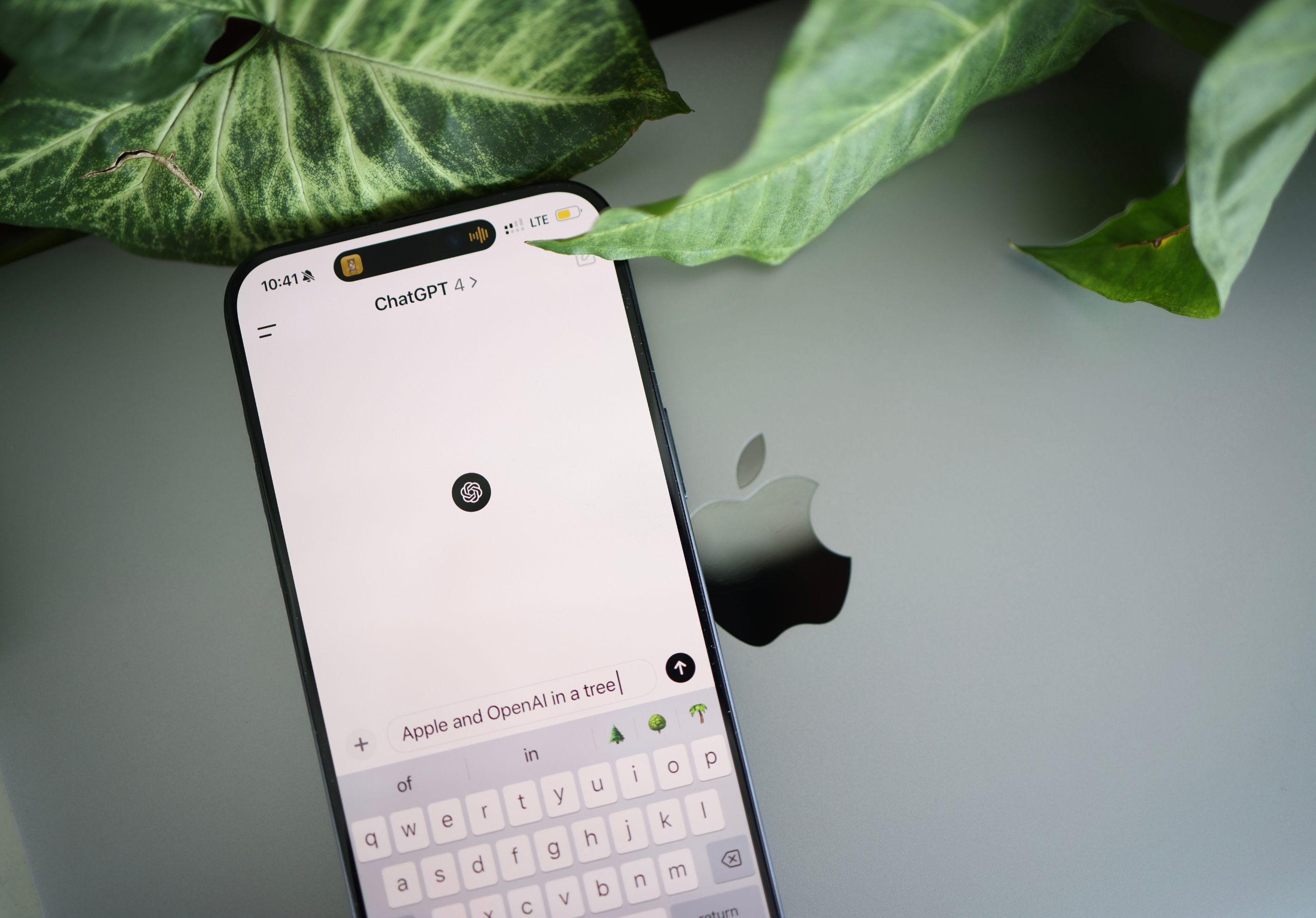
Google Ads and Meta Ads are interruption-based. You are scrolling, and an ad appears. You are searching, and a sponsored link appears above the results. The user did not ask for the ad. It inserted itself into their experience.
ChatGPT ads are conversation-based. The user asked a question. The ad appears right next to the answer to that question. That is a fundamentally different relationship. The user is already in buying mode, already curious, already open to a recommendation. The friction between ad and action is lower because the context already exists.
Meta excels at building awareness among cold audiences. Google captures demand that already exists. ChatGPT ads sit in a third space: they reach people at the exact moment they are asking for help, in an environment where they expect useful guidance. That can make the placement feel more relevant and less intrusive than most other formats.
There is also the trust factor. People have grown skeptical of traditional ads. Ad blockers are widespread. Banner blindness is real. ChatGPT, for many users, still carries a sense of helpfulness that paid search results have lost. Getting your brand into that context early matters.
Why Should Service Businesses Pay Attention Right Now?
The window to get ahead of competitors on a new platform does not stay open long. Think about what early Google Ads adopters experienced in the early 2000s, or what businesses running Facebook Ads in 2012 paid per lead compared to today. Early movers on new platforms often see lower costs before the market catches up.
Service-based businesses that rely on local or regional leads stand to benefit more than most. People asking ChatGPT questions like “who’s the best HVAC company in Chattanooga” or “what marketing agency should I hire” are warm leads. They are not casually browsing. They want an answer.
Most of your competitors have not set up a ChatGPT ad campaign. Many do not know it is possible yet. That gap is the opportunity. Businesses that move early can establish visibility in this channel before costs rise and competition increases.
What Does It Take to Run a ChatGPT Ad Campaign?
Access started with a small group of brands and agency partners, and in May 2026 OpenAI opened its self-serve Ads Manager to U.S. advertisers in beta. That means a business can now set up campaigns directly or have an agency run them. Check OpenAI’s current advertiser pages for where the platform is available in your market.
On the campaign setup side, the requirements look similar to search advertising. You will need clear messaging that speaks to the user’s question, a landing page that delivers on what the ad implies, conversion tracking, and a budget set aside for testing and optimization. Because the platform is new, strategies are still being refined. Hands-on experience beats reading theory.
Unlike traditional display or social ads, ChatGPT ad copy needs to feel natural next to a conversation. Stiff, promotional language reads poorly under a helpful answer. Ads in this format work best when they are concise, specific and genuinely helpful rather than overtly salesy.
Is Advertising on ChatGPT Worth It for Local and Regional Businesses?
The honest answer is: it depends on your goals, your market, and your timing. ChatGPT ads are not a replacement for Google Ads or a reason to cut your existing paid strategy. They are an addition. For businesses that already have a working paid media foundation and want to expand reach into AI-powered search behavior, this channel has real potential.

For local service businesses, the logic is straightforward. AI search usage keeps growing. More purchase decisions now start with a question typed into ChatGPT rather than a search bar. Being present in that channel, even at a small budget to start, keeps your brand in the conversation.
The businesses most likely to see early results are those with clear service offerings, strong local or regional presence, and landing pages designed to convert visitors who already have intent. If your website is slow, your messaging is unclear, or your follow-up process is broken, no ad platform will fix that first. The ad gets the click. Your business has to close it.
What Is GEO and How Does It Connect to ChatGPT Ads?
GEO stands for Generative Engine Optimization. Where SEO is about getting found on Google’s search results page, GEO is about getting found inside AI-generated answers. It covers the tactics and content strategies that increase the likelihood an AI model like ChatGPT, Google Gemini, or Perplexity will mention or recommend your business in a response.
ChatGPT ads and GEO are complementary. Because ads do not influence ChatGPT’s answers, the only way into the answer itself is earned: GEO builds that organic presence over time by strengthening your content, authority and digital footprint. ChatGPT ads add a paid presence right beside those answers today. Running both together is the most complete approach for businesses that want full visibility in AI search.
Agencies that understand both sides of this, paid and organic AI visibility, are better positioned to build strategies that actually work rather than just experimenting with one piece at a time.
Frequently Asked Questions About ChatGPT Ads
Are ChatGPT ads available to all businesses right now? Access has opened up quickly. OpenAI started with select brands and agency partners, then launched a self-serve Ads Manager for U.S. advertisers in beta in May 2026. If you are outside the U.S., check OpenAI’s advertiser pages for availability in your market.
How much does it cost to advertise on ChatGPT? Pricing is still settling as the platform matures. Advertisers can buy on impressions or, since May 2026, on cost per click, and you set your own budget. While competition is still thin, early campaigns may see more favorable rates than they will once the market fills in.
Do ChatGPT ads look different from regular responses? Yes. Ads appear at the bottom of a response, labeled Sponsored and visually separated from the answer. OpenAI says ads do not influence what ChatGPT recommends, and it has been clear that user trust depends on that separation staying intact.
Can a small local business compete against national brands on ChatGPT ads? Ads are matched to the conversation, so a specific, local question favors an ad that answers it specifically. A local plumber with a clear offer and a strong landing page can be more relevant to “plumber near me” than a national chain. Targeting options are still expanding, so test small before you scale.
What should my business do right now to prepare? Three things. Make sure your website and landing pages are fast, clear and built to convert. Find out how AI tools currently describe your business; our free GEO scan is a quick place to start. Then work with a partner that is already running ChatGPT ad campaigns for clients, not one still catching up on what they are.
Will ChatGPT ads replace Google Ads? Not in the near term. Google still owns the majority of search volume and has an enormous advertising infrastructure. ChatGPT ads are an additional channel. The businesses that win over the next few years will run both, treating AI-platform advertising as a new layer on top of a working paid media strategy rather than a substitute for one.
The Right Time to Pay Attention Is Before Everyone Else Does
ChatGPT ads represent something that does not come around often in digital marketing: a new high-intent channel near the beginning of its adoption curve. The audience is huge and still growing. The competition is still thin. Businesses that learn how this works now, before the rest of the market wakes up, are the ones that will look back in a few years knowing they moved at the right time.
At Spectruss, we have been tracking AI search behavior and building strategies around it since before most agencies used the term GEO. We run ChatGPT ad campaigns for clients today because it fits what we have done since 2012: find the channels where our clients’ buyers are, and put our clients there before their competitors show up.
If you are curious about what a ChatGPT ad strategy could look like for your business, book a 15-minute call. No sales pitch. Just a real conversation about where you are and whether this makes sense for your goals.